 简体中文
简体中文 English
Product
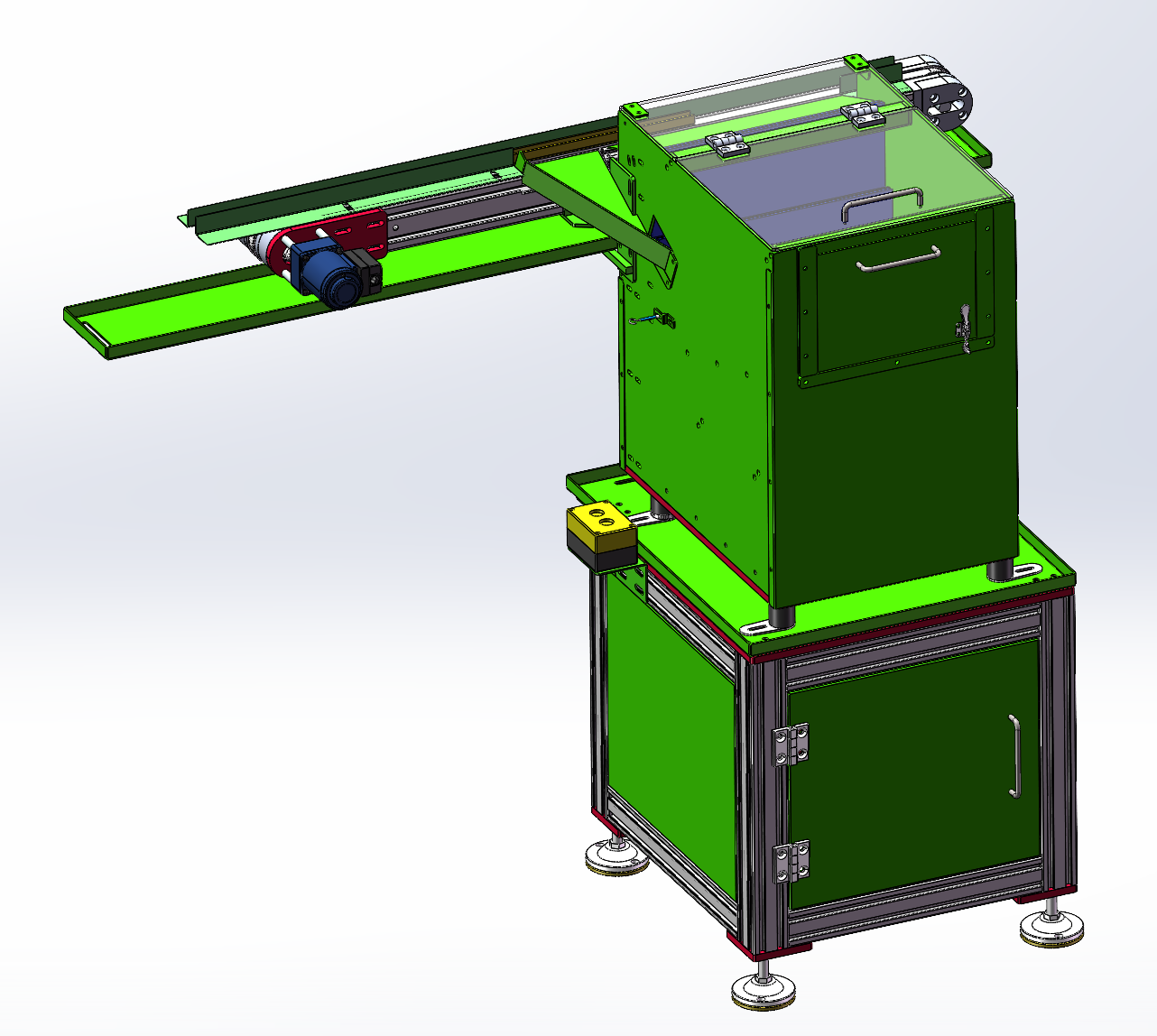
Motor-driven pusher
- Product details
-
Product Overview
The motor-driven pusher feeder is an automatic push-feeding machine powered by a gear motor (or servo motor). Through a reduction transmission mechanism, the motor drives the pusher plate in a reciprocating linear motion, pushing pre-sorted workpieces from the hopper or vibratory bowl feeder in rows smoothly to the processing station or conveying track. It is a key secondary feeding device that links bulk loading with machining and assembly on automated production lines.
Compared with pneumatic pusher feeders, the motor-driven pusher feeder offers precisely controllable stroke and cycle, smooth and quiet operation, and requires no compressed air supply. It is especially suitable for continuous production requiring high positioning accuracy and stable feeding rhythm. Often working in line with electric vibratory bowl feeders, it is widely used for automatic feeding of fasteners, stamped metal parts, and injection-molded parts.
⚙️ 1. Drive System Specifications
Parameter Typical Range / Description Drive type Gear motor + crank-linkage / ball screw / synchronous belt transmission; servo motor drive optional Rated voltage Standard 220V; 110V / 380V available on request Motor power Small machines approx. 90W–120W; medium machines 200W–400W; large machines up to 750W Pushing frequency Typically 20–60 cycles/min, steplessly adjustable via VFD or servo control Pushing stroke 30–300 mm, mechanically adjustable; servo models allow programmable stroke and position Transmission protection Fully enclosed transmission with protective cover, suitable for continuous heavy-duty operation 🚀 2. Pushing Performance
Parameter Typical Range / Description Pushing method Linear reciprocating push-plate feeding; supports single-row / multi-row group pushing, matched to the hopper track width Feeding cycle Typically 20–60 parts/min, proportional to pushing frequency and parts per row; VFD speed adjustment available Positioning accuracy ±0.05 mm with ball screw / servo drive; approx. ±0.2 mm with standard crank-linkage structure Noise level ≤ 70 dB, significantly quieter than pneumatic pushers; no air supply or air-circuit maintenance required Guiding system Precision linear guide rails + wear-resistant pusher plate; smooth jam-free operation with maintenance-free lubrication Start / stop behavior Servo models support soft start/stop and positioning at any point, preventing workpiece shock and jumping 🏋️ 3. Load Capacity and Throughput
Parameter Typical Range / Description Applicable part size Length 5–120 mm, diameter / across-flats 2–60 mm; track custom-built to part shape Single part weight Approx. 0.1–500 g; reinforced pusher plate and guide rails available for heavy parts Parts per row 1–20 parts/row, depending on part size and track width; multi-row group pushing supported Hopper capacity Standard hopper holds approx. 500–5000 parts; optional vibrating hopper for automatic refill enables unmanned operation Machine weight Approx. 60–350 kg, depending on model and stroke 🔌 4. Electrical and Control Specifications
Parameter Typical Range / Description Control method VFD speed control; servo models use PLC + servo positioning control with programmable stroke, speed, and cycle Control interface PLC / PC interfaces supported; can be synchronized with vibratory bowl feeders, linear feeders, and machining or assembly equipment Detection Standard photoelectric low-level sensor on the track; optional full-level auto stop and fault alarm output Line integration Works with automatic refill units, counters, and host controllers to build fully automated lines Operating temperature Standard 0–40°C; high-temperature motors and transmission parts available for hot environments 📋 5. Quick Selection Guide by Part Size
Part Size Recommended Stroke Recommended Motor Power Recommended Frequency Small parts (≤10 mm, ≤5 g) 30–80 mm 90–120 W 40–60 cycles/min Medium parts (10–30 mm, 5–50 g) 60–150 mm 200–400 W 30–50 cycles/min Large parts (30–60 mm, 50–500 g) 100–300 mm 400–750 W 20–35 cycles/min Note: Actual feeding rate = pushing frequency × parts per row × number of rows. The table above is a general reference; final selection should consider part geometry, material, and line cycle requirements.
Customization and Service
Beyond standard models, we offer custom-built solutions tailored to your part geometry, material, and throughput requirements, including servo positioning, multi-row pushing, automatic refill, and high-temperature configurations. Send us your sample parts and process parameters, and our engineers will recommend the right feeder and provide a quotation.
related products
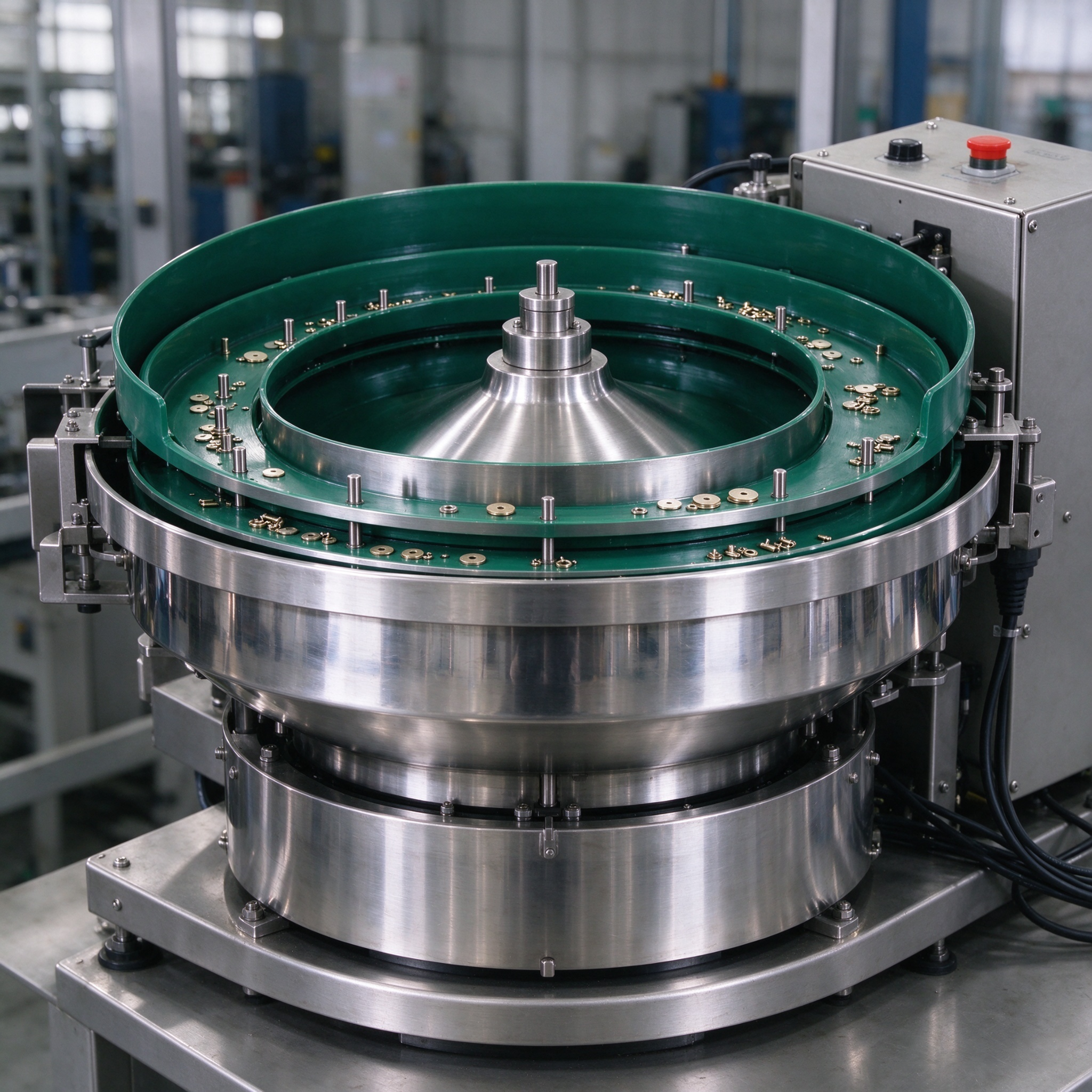
Electric Vibratory Bowl Feeder
振动盘是一种工业自动化辅助送料设备,其核心价值在于将无序的散装零件自动整理为有序...
Product Inquiry
Please leave your message, we will contact you quickly after receiving it, thank you for your support!
common problem
Copyright © 2026-2027 Sichuan Longyue Tenghui Intelligent Manufacturing Machinery Co., Ltd. All rights reserved
